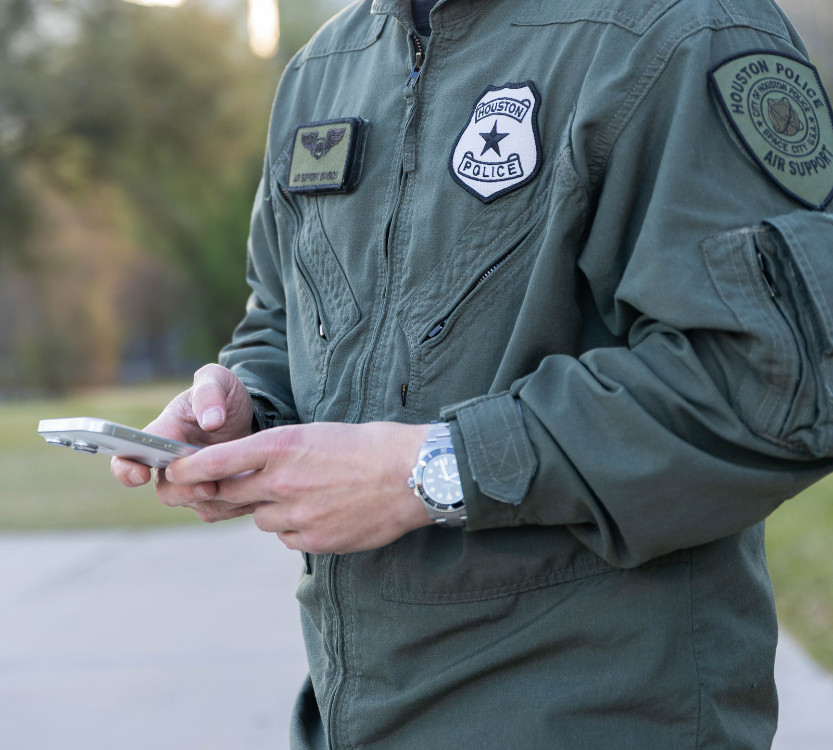
The holiday season is filled with laughter, family gatherings, and one more thing you might not expect: scammers. With holiday shopping in full swing and packages arriving at our doorsteps, scammers take advantage of the busy season to catch us off guard.
Imagine receiving a text about a delivery issue with that Secret Santa gift you ordered for your cousin. Before clicking the link, take a moment to think. That innocent-looking message could be an attempt to steal your personal or financial information.
This holiday season, we're sharing practical tips to help you recognize common scams and keep your information safe.
1. Fake Holiday Shopping Websites
Who wants to stand in line for hours waiting for the latest must-have holiday gift? Luckily, a quick online search leads you to a website with the item already in stock. Even better, it's half the price! No early mornings, no long lines, and a great deal. But is it too good to be true?
Unfortunately, it could be. Scammers create convincing websites that imitate legitimate retailers, hoping to steal your payment information or sell you products that never arrive.
Before making a purchase, double-check the website address for suspicious details. Research unfamiliar retailers by searching their names alongside words like "scam," "review," or "complaint." Remember, if a deal seems too good to be true, it's worth taking a moment to investigate.
2. Fake Package Delivery Notifications
You've finished your Christmas shopping, and now you're waiting for the gifts to arrive. Suddenly, your phone buzzes with a text claiming your package couldn't be delivered because of an incorrect address. All you need to do is click the link and update your information. Simple enough, right?
Not so fast!
Scammers send fraudulent delivery notifications impersonating well-known shipping companies. These messages may direct you to fake websites asking for personal information, payment details, or a small redelivery fee.
How can you protect yourself?
Avoid clicking links in unexpected delivery messages.
Check your package status directly through the retailer's or shipping company's official website.
Be cautious of messages requesting payment or personal information to release a package.
3. Family Emergency and AI Voice Scams
Imagine receiving a phone call from your grandchild. They sound frightened and explain that they've been in an accident and urgently need money. Naturally, your first instinct is to help.
But what if the person on the phone isn't actually your grandchild?
Scammers have begun using artificial intelligence (AI) to imitate people's voices, making fraudulent calls sound more convincing. These scams often create a sense of urgency, hoping you'll send money before having time to question the situation.
Before sending money, remember:
Hang up and call your loved one using a phone number you already know.
Contact another family member to verify the situation.
Be suspicious of requests for gift cards, cryptocurrency, or immediate money transfers.
Don't let pressure or threats prevent you from asking questions.
4. Five Simple Ways to Protect Yourself This Holiday Season
Scammers may use different tactics, but many rely on the same thing: getting you to act quickly without thinking twice.
Here are five habits that can help keep your information and money safe:
1. Slow down before clicking. Unexpected emails, text messages, and advertisements deserve a second look. Avoid opening unfamiliar links, especially when a message creates urgency.
2. Research before you buy. Check unfamiliar retailers, read independent reviews, and look closely at website addresses before entering payment information.
3. Verify unexpected requests. Whether someone claims to represent your bank, a delivery service, or a family member, contact the person or organization through a trusted phone number or official website.
4. Protect your payment information. Never share your online banking password or verification codes with someone who contacts you unexpectedly. Be cautious of sellers demanding payment through gift cards, wire transfers, or cryptocurrency.
5. Monitor your accounts. Regularly review your transactions and report suspicious activity to your financial institution as soon as possible.
Enjoy the Holidays with Peace of Mind
The holidays should be spent making memories with the people who matter most, not worrying about scammers.
While fraudulent messages and websites can look convincing, recognizing the warning signs and taking a moment to verify unexpected requests can make a difference.
This holiday season, remember to pause, think, and verify before you click, share, or send money.
From all of us at Houston Police Credit Union, we wish you and your family a safe and joyful holiday season!